

Custom, Code-Compliant and Complete: A Fire-Rated System Selection Checklist
David Vermeulen, North America Sales Director, Technical Glass Products
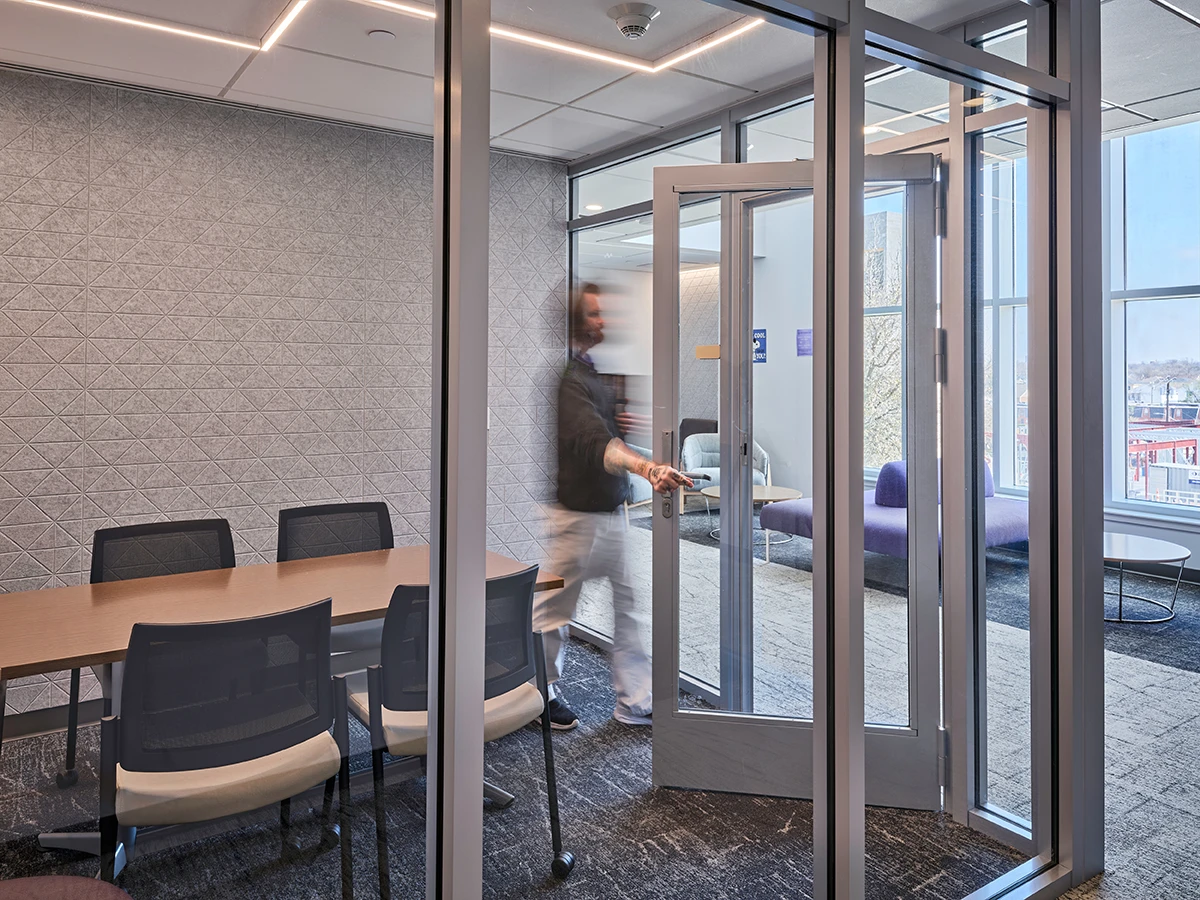
Selecting a code-compliant fire-rated system is a balancing act, especially when it comes to glazing. Beyond meeting strict life-safety requirements, these assemblies must also align with a project’s architectural and aesthetic vision. Design teams can streamline the process by following this five-step fire-rated glass checklist below:
- Define the project’s aesthetic goals
- Consult with a fire-rated glazing expert to ensure all options are known
- Determine what building codes apply to a fire-rated system
- Find a fire-rated system that matches adjacent non-rated glazing
- Collaborate with a glazier to install the fire-rated glazing system
While each team will need to find a process that works best for their design flow, this step-by-step checklist provides a general structure for selecting code-compliant fire-rated glass assemblies.
1. Define the project’s aesthetic goals
It may seem out of order for a fire-rated glass checklist to look at a building’s aesthetics first, but doing so can help project teams prioritize what qualities are most important in a fire-rated system beyond code-compliance. Asking the following questions (and others) can help teams narrow down their goals:
- Will the fire-rated system also support daylight access?
- How much visual connection is desired between adjacent spaces?
- Would vertical mullions disrupt the interior’s design?
- Would a corridor benefit from transparent compartmentation?
Asking these sorts of questions can guide design teams through the many fire-rated glazing options available, options that can achieve nearly any aesthetic without compromising code-compliance.
2. Consult with a fire-rated glazing expert to ensure all options are known
Aesthetic goals set parameters for which fire-rated systems are most applicable to a project. These parameters will rarely limit a team to a single option—especially given the many advances in fire-rated glazing technology.
Design teams can expand their known options for fire-rated glazing by consulting with a glazing expert. This collaborative effort also minimizes or completely eliminates aesthetic compromise when meeting code requirements.
Technical Glass Products (TGP) pairs firms with professionals who work with fire-rated glass every day to help ensure no solution goes unexplored. Further, online resources, like TGP’s Product SpeciFIRE®, can present options that may not have been on the table before.
3. Determine what building codes apply to a fire-rated system
Beyond aesthetic considerations, project teams can collaborate with manufacturers to confirm which building codes apply to each fire-rated glazing system application. This can include discussing local building codes themselves, contacting the Authority Having Jurisdiction (AHJ) for clarification, or even drafting and submitting code modification requests.
This process helps pinpoint if an assembly will need to be fire-protection- or fire-resistance-rated, its duration, impact-resistance and other performance standards.
This step is important as requirements can vary significantly depending on project location, occupancy type, glazing application and even the size of a space. Along with overarching aesthetic goals, it sets parameters for which fire-rated systems are most appropriate for a project.
4. Find a fire-rated system that matches adjacent non-rated glazing
Once a project team is aware of which fire-rated glazing assemblies can meet their goals and performance requirements, it is important to ensure that a system fits with other, adjacent glazing systems. This not only helps create aesthetic continuity but also supports a more occupant-focused environment by limiting visual distractions from mismatched systems. The following are a few examples of how fire-rated systems can provide a close visual match to non-rated assemblies:
- Narrow profile steel frames that reduce discrepancies between glazing systems
- Full-lite fire doors that match other glass doors within a space
- Fire-rated glass that offers similar color and clarity to architectural glass
- Butt-glazed assemblies replace vertical mullions with nearly colorless transitions between lites to enable a glass wall aesthetic
- Cover caps can improve design continuity through material and shape selection
5. Collaborate with a glazier to install the fire-rated glazing system
The final step in this fire-rated glass checklist is to connect with a glazier who is well-versed in the installation of fire-rated glass. This is crucial since a code-compliant, fire-rated system may be compromised if it is installed incorrectly. Design teams can safeguard against this by working with trusted distributors and glaziers.
Tailor this fire-rated glass checklist to your next project
This five-step checklist creates a general structure for selecting a fire-rated system. That said, workflows can change from team to team and even from project to project. While the steps above can help ensure a building team selects a code-compliant and aesthetic-forward fire-rated glazing system, it is important for these professionals to develop a process that works for them.
No matter how designers organize their workflow for selecting a fire-rated glazing system, they can streamline their work by collaborating with trusted manufacturers. Contact TGP to learn about how our fire-rated glazing experts can support a project from the design phase through occupancy.

David Vermeulen is North America Sales Director for Technical Glass Products and also the author of the Fired Up blog on Glass Magazine.


